


An insight into how to organize a BIP
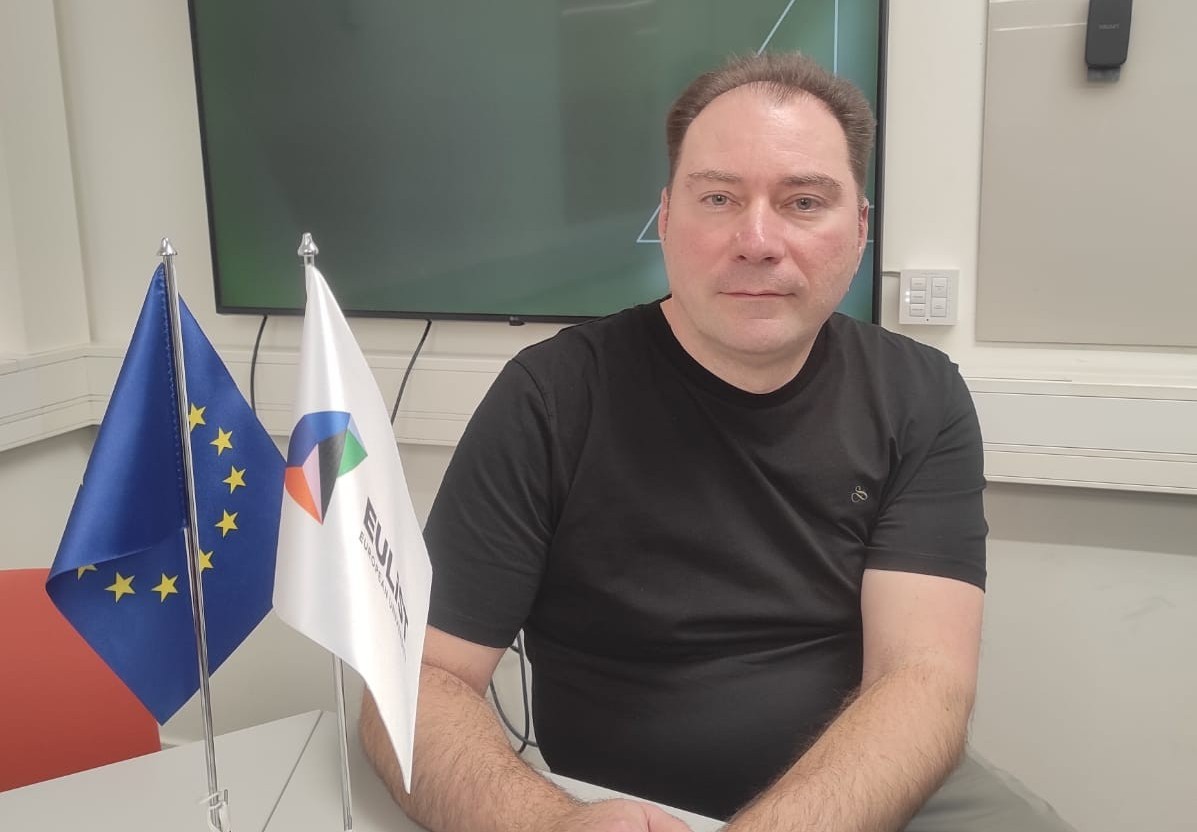
Darko Pantelic is an Assistant Professor of Business Administration at JIBS and is also engaged in Educate - the centre for academic teaching and learning at JU. Within the EULiST alliance, Darko is part of the Work Package “Teaching and Learning,” focusing on initiatives and collaborations around innovative teaching and learning methodologies.
In November, Darko coordinated a course on the theme “Future Educator – Today.” The course was primarily aimed at teaching staff within the alliance and offered an opportunity to jointly explore the educational landscape of the future, including how to engage with Generation Z. The course was arranged as a BIP (Blended Intensive Program) with about 25 teaching staff from the alliance.
What are the fundamentals of organising an effective BIP for teachers?
The BIP's strength lies in its relevance for every participant. Bringing the spotlight to the challenges facing educators across different disciplines and geographies: a new generational cohort in our classrooms with unique worldviews and expectations (Gen Z), diversity, instructional design, and AI. By creating authentic opportunities to experience local environments, build meaningful connections, and expand professional networks, we've crafted genuine value. What makes this possible is a dedicated team that brings enthusiasm and positivity to every step of the experience.
What is the importance of "The Future Educator" in building a sustainable collaboration?
The Future Educator’ is living the idea of the European University; it is an integration and collaboration. It bridges the distance between disciplines, places, and people. Creates a joint learning space, where educators, together, develop future approaches to teaching and learning within the EULiST alliance. I hope to see ‘The Future Educator: Today’ evolve into a yearly meeting place for educators with a passion to create better teaching and learning experiences.
What are the challenges of designing a course for teachers coming from different countries and with different cultural backgrounds?
That is a truly great question. The way forward is to use these differences to build added value, instead of failing because of them. Find common ground, learn from the differences, be open to new perspectives, and be curious and genuinely interested. It does not become less challenging, but it puts you in a position to better process and deal with these differences. Essentially, teaching and learning happen in a dialogue.
Read more about the course: Future Educator - Today - Jönköping University
Read more about opportunities for teaching staff in EULIST: EULiST | Opportunities


